Indpro Logo

Indpro
Typically replies within an hour

Indpro
"Hello!👋

How can I help you today with your bulk material handling needs?"
×
Chat with Us

How to Choose the Right Powder Transfer System

How to Choose the Right Powder Transfer System

If you’ve ever handled powders in a plant, whether it’s plastics, food ingredients, chemicals, or minerals, you already know the truth: powders have a personality of their own.
Some flow like water.
Some behave like wet sand.
Some cling to literally everything, including your soul.

So, choosing the right powder transfer system isn’t just a technical decision – it’s a strategic one that influences safety, efficiency, product quality, and day-to-day operations.


Know Your Powder Like You Know Your Product

Selecting a powder transfer system without understanding your material is like buying a tool without knowing what job you’re trying to do sometimes it works, but often it doesn’t.

Every powder behaves differently. Some flow like sugar. Others behave like they’re plotting against you.

Before choosing any equipment, consider questions such as:

• How easily does the material move under gravity or agitation?
• Is it fragile, dusty, abrasive, or prone to taking on moisture?
• How dense is it closer to a lightweight fine powder or a heavy granular solid?
• Does it respond well to air movement or resist being conveyed by airflow?

Once you understand your powder’s “personality,” the rest becomes easier.


Be Clear About What You Want to Achieve

Think about your process not just the material.

Are you feeding an extruder? Loading a silo? Charging a mixer? Feeding a packaging machine?

Different goals demand different systems.

For example:

  • If you need a dust-free, closed-loop transfer → vacuum conveyors work well.
  • If you want gentle handling for fragile materials → dense phase transfer is a good friend.
  • If your powder needs to travel a short distance → a simple mechanical conveyor might do.

You don’t choose the system; your powders and process demand it.


Understand the Main Categories Without Getting Lost in Technical Depth

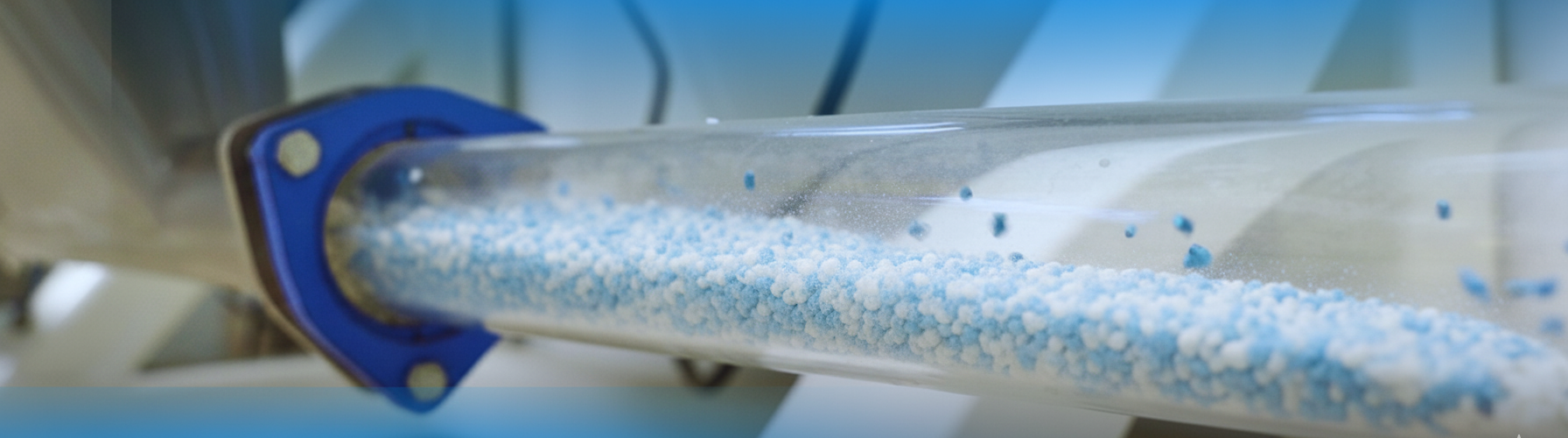
  1. Pneumatic Conveying

Uses air as a motive media to transport powders.

Two types:

Two common methods include:
Dilute Phase powders move quickly in an airstream.
• Dense Phase  powders move more slowly in compact groups.

Useful for longer distances and enclosed, low-dust operation.
     2. Mechanical Conveyor

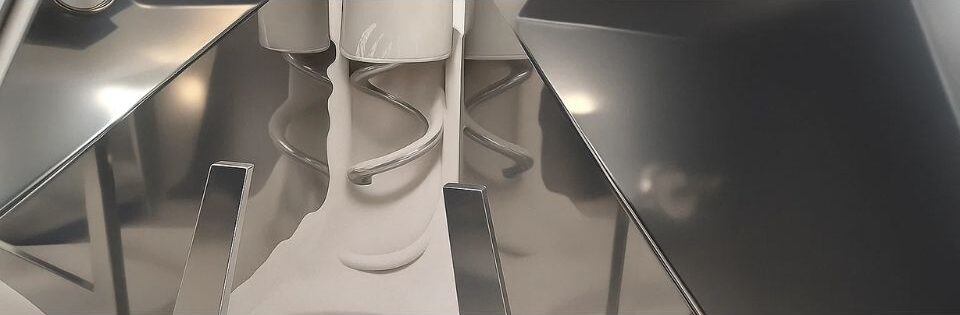
Mechanical means physical force for movement, which includes screws, belts, vibratory units, and similar equipment.
They’re dependable and straightforward, especially for shorter routes, though typically less enclosed than pneumatic systems.
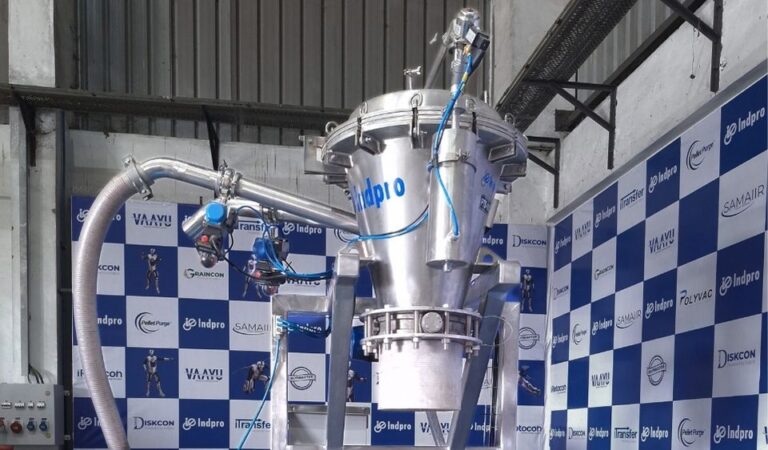
     3. Vacuum Transfer

A compact, clean conveying method suitable for hygienic environments and moderate distances. It’s often favored for its neat layout and automation-friendly design.

Matching the Technology to Your Reality

Forget theory for a moment. Let’s talk real-world constraints:

  • Limited floor space → Vacuum systems fit beautifully.
  • Long travel paths with multiple bends? → Pneumatic dilute phase wins.
  • Fragile or abrasive powders? → handle gently in dense-phase systems.
  • Want to reduce dust and cleanup? → enclosed pneumatic or vacuum transfer can be advantageous.
  • For short and simple runs? → mechanical conveyors remain a cost-efficient choice.

Choosing becomes much easier when you evaluate based on what your plant looks like, not what a catalog or salesperson says.


Think Beyond Today

Powder systems are long-term investments. If your production doubles next year or if you shift to a different grade of material, will your system handle it?

Questions worth asking:

    • Will you need a higher transfer rate later?
    • Are you planning to upgrade automation?
    • Are new powders coming into the process?
    • Will hygiene or safety standards change?

A flexible design saves you from redesigning the whole line later.


Always Test with Your Actual Powder

No two powders behave the same even if the spec sheet says otherwise.

Pilot testing is the most underrated step in the selection process.
A good technology partner will:

  • Run trials
  • Simulate your actual process
  • Analyze flow behavior
  • Optimize parameters
  • Show you real performance data

This step eliminates guesswork.


Final Thoughts: Choosing the Right System Is Less About Machines, More About Understanding

Once you change the mindset from “Which technology is best?” to “What suits my material and my process?”, the entire decision becomes clearer.

To recap, a truly successful powder transfer system is one that:

  • Suits your powder’s behavior
  • Fits your layout
  • Keeps operators safe
  • Stays clean and contained
  • Minimizes maintenance
  • Grows with your process

You don’t need to know every detail of every system.
You just need to know your powder, your goal, and the kind of performance you expect.

Technology will take care of the rest.
How Portable powder transfer systems Improve bulk material handling

How Portable Powder Transfer Systems Improve
Bulk Handling Efficiency and Flexibility

If you have ever worked in a facility that handles powders—whether in food, pharmaceuticals, chemicals, or plastics—you know the challenge all too well: how do you efficiently move materials across multiple processing lines without constantly reworking your setup?

That is where Portable Powder Transfer Systems (PTS) come into play. These are game-changers for manufacturers looking to boost flexibility, streamline operations, and maintain cleanliness and safety in bulk material handling.

Let us dig in and explore how mobility in powder transfer systems is not just a “nice-to-have” but a strategic advantage in modern material handling.


Why Mobility Matters in Bulk Material Handling

Imagine you are managing a plant with multiple mixing stations or packaging lines. Traditionally, material transfer would involve fixed piping, heavy lifting, or manual transport—all of which add time, labor, and risk to your process.

Now picture a portable system that moves where the need is, connects with ease, and starts transferring material in minutes.

Mobility eliminates bottlenecks. It gives you the freedom to:

  • Serve multiple lines with a single system
  • Respond quickly to demand changes
  • Clean, maintain, or relocate equipment effortlessly
  • Avoid long pipe runs and their associated pressure drops or contamination risks


How Do Portable PTS Work?

At the heart of most modern Portable Powder Transfer Systems is pneumatic conveying—a clean, enclosed method of moving powders using air pressure or vacuum. In a vacuum-based PTS, a vacuum pump creates negative pressure, pulling powders through a hose or pipe into the receiver, thus enabling dust-free transfer of powder, directly from source to destination—whether it’s a blender, reactor, or packaging machine.

Because the system is enclosed, you don’t have to worry about dust escaping into the work environment, keeping both your facility and your people safer.


Multi-Line Processing: A Real-World Advantage

Let’s say you have got three blending lines that need to be filled up one at a time, and you run different products on different days. Instead of having a dedicated transfer line for each setup, a portable PTS can serve all lines on a rotating basis, reducing both capital costs and space usage.

Benefits in a nutshell:

  • Better use of plant floor space
  • Lower investment in redundant equipment
  • Greater responsiveness to production shifts

This kind of flexibility is gold in industries where batch production, frequent changeovers, or small lot sizes are the norm.


Material Compatibility: Not All Powders Are Created Equal

A key factor in choosing a portable system is ensuring it can handle the types of powders you process. We are talking:

  • Fine or cohesive powders
  • Hygroscopic or heat-sensitive materials

Modern portable PTS units are designed with versatility in mind. Features like adjustable airflow, variable speed control, and specialized material contact parts (like food-grade stainless steel or anti-corrosive coatings) make them suitable for a wide range of applications.

If you’re processing delicate or high-value materials, this kind of gentle yet reliable transport is a must.


Automation & Integration: Smarter Handling on the Move

Portable doesn’t mean primitive.

Today’s powder transfer systems often come with:

  • Automated controls to just set it and forget it
  • PLC integration for plant-wide coordination
  • Sensors for level, pressure, or flow monitoring
  • Touchscreen interfaces for easy operation
how portable powder transfer system work

You can even set them up with recipe management systems, so switching between different materials or processes becomes a breeze.

So yes, you get mobility—but without sacrificing intelligence or control.


Easy to Move, Easy to Maintain

Let’s talk ergonomics and hygiene—two underrated heroes of bulk solids handling.

Most portable systems come with:

  • Compact frames on lockable caster wheels
  • Quick-connect clamps and hoses
  • Tool-less disassembly for fast cleaning

Whether you’re in pharma with strict cleaning validation needs or in food where cross-contamination is a nightmare, these systems help you stay compliant without a headache.

Plus, your maintenance team will love the reduced downtime and easier access.


Is a Portable PTS Right for You?

If your operations involve:

  • Multiple production lines
  • Frequent recipe changes
  • Limited floor space
  • A need for safe, dust-free material transfer

…then a portable powder transfer system might be exactly what you need.

It’s about flexibility. It is about smarter workflows. And above all, it’s about giving your production team the tools to do more, faster, and safer.

Ready to Add Some Mobility to Your Material Handling?

At Indpro, we have seen firsthand how the right powder transfer system transforms operations—from small batch plants to high-output facilities.

Curious if it’s the right fit for you? Let’s talk. We’re always here to help you move your materials… and your business… forward.