Indpro Logo

Indpro
Typically replies within an hour

Indpro
"Hello!👋

How can I help you today with your bulk material handling needs?"
×
Chat with Us

How to Optimize Pneumatic Conveying Efficiency with Air Velocity

How to Optimize Pneumatic Conveying
Efficiency with Air Velocity

If you’ve ever worked with a pneumatic conveying system, you already know this truth – air does all the heavy lifting. But here’s the catch: more air doesn’t always mean better conveying.

One of the most misunderstood (and often misused) parameters in pneumatic conveying is air velocity. Too low, and material starts settling, choking lines, or blocking bends. Too high, and suddenly you’re dealing with excessive wear, broken particles, dust generation, and skyrocketing power costs.
So how do you strike the right balance?

Let’s break it down- practically, clearly, and without drowning in theory.


First Things First: What Is Air Velocity (Really)?

In simple terms, air velocity is the speed at which air moves through the conveying pipeline, usually measured in meters per second (m/s).

But in a pneumatic conveying system, air velocity is more than just a number-it’s the driving force that keeps your material suspended and moving from Point A to Point B.

Think of it like a river:

• If the water flows too slowly, sediment settles.

• If it flows too fast, it erodes the riverbed.

Your conveying pipeline behaves in exactly the same way.


Why Air Velocity Deserves Your Attention

Many systems fail-or underperform-not because of bad equipment, but because air velocity was never properly optimized.

Air velocity directly affects:

  • Conveying stability
  • Material degradation
  • Pipeline and bend wear
  • Energy consumption
  • Dust generation and product quality

In short, air velocity decides whether your system runs smoothly or constantly demands firefighting.


Typical Air Velocities for Different Pneumatic Conveying Systems

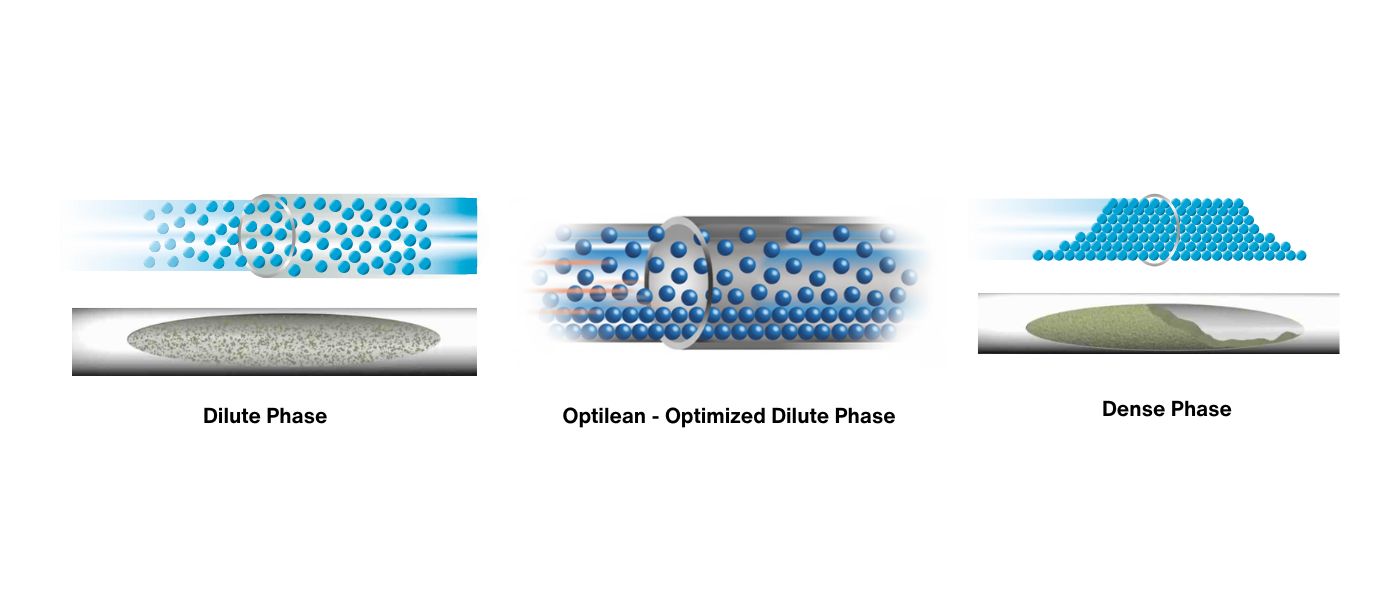
To make things simpler, let’s put the key differences side by side. This comparison helps quickly understand where each system fits and why air velocity plays such a critical role.

Conveying System

Typical Air Velocity

How the Material Moves

Best Suited For

Key Advantages

Key Considerations

Dilute Phase

15–25 m/s

Material is fully suspended in fast-moving air

Free-flowing powders, granules, long-distance conveying

Simple design, flexible layouts

Higher wear, particle breakage, increased power consumption

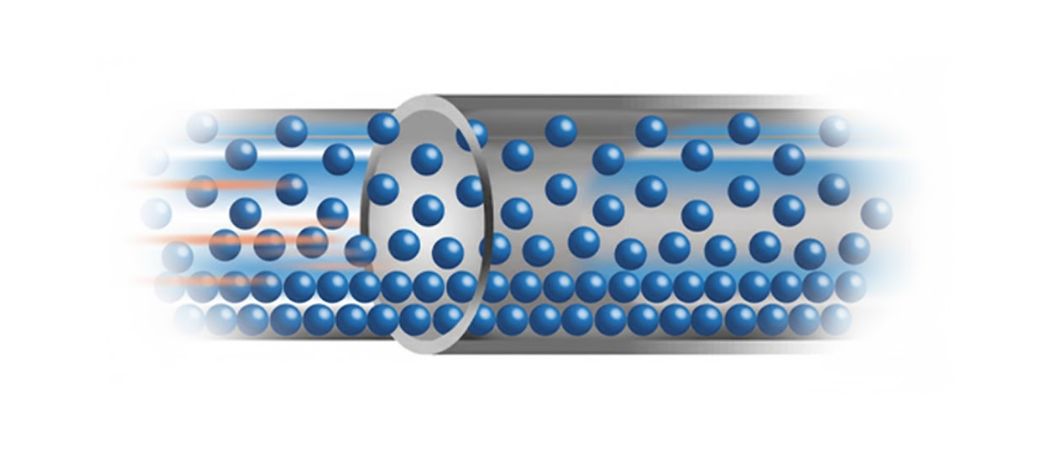
OptiLean™ – Optimized Dilute Phase (by Indpro)

12–20 m/s (optimized range)

Controlled suspension with reduced turbulence

Applications needing dilute phase flexibility with better efficiency

Lower wear, reduced energy usage, improved material integrity

Requires proper system tuning and material evaluation

Dense Phase

3–12 m/s

Material moves in plugs, slugs, or dunes

Fragile, abrasive, or high-value materials

Minimal degradation, low wear, energy efficient

Needs precise pressure and feed control


How Air Velocity Affects Material Inside the System

Let’s talk about what actually happens inside the pipeline.

When Air Velocity Is Too Low

  • Material starts settling at the bottom of the pipe
  • Increased risk of line choking and blockages
  • Unstable conveying and pressure fluctuations
  • Higher maintenance and unplanned downtime

In dense phase systems, low velocity is intentional-but only within a controlled pressure regime. Without that control, problems appear fast.

When Air Velocity Is Too High

  • Excessive pipe and bend wear
  • Particle breakage and fines generation
  • Product quality issues (especially in food and plastic pellets)
  • Increased dust load on filters
  • Higher power consumption

This is one of the most common mistakes-overcompensating with air “just to be safe.


So, How Do You Optimize Air Velocity for Pneumatic Conveying Efficiency?

This is where theory meets real-world engineering.

1. Start with the Material, Not the Equipment

Every material behaves differently:

  • Particle size
  • Bulk density
  • Moisture content
  • Fragility
  • Abrasiveness

A fine powder and plastic pellets may weigh the same-but they do not convey the same way. Always design velocity around material behavior, not just throughput targets.

2. Choose the Right Conveying Mode

Many systems struggle because they’re operating in the wrong mode.

Ask yourself:

  • Is my material fragile or abrasive?
  • Am I generating too much dust?
  • Are bends wearing out too quickly?

If yes, shifting from high-velocity dilute phase to optimized dilute phase conveying can dramatically improve efficiency.

3. Control Air Velocity, Don’t Just Generate It

Blowers and compressors don’t optimize systems – it’s how you control them. Key tools that help:

  • Pressure sensors along the pipeline
  • Automatic air control units
  • PLC-based logic to adjust air flow
  • Proper feed control devices (rotary valves, dome valves, screw feeders)

Stable feed = stable velocity = stable conveying.

4. Pay Attention to Pipeline Design

Even perfect air velocity won’t save a poorly designed pipeline. Watch out for:

  • Too many bends
  • Sharp-radius elbows
  • Sudden diameter changes
  • Long horizontal runs without proper velocity margins

Good layout reduces the need for excessive air in the first place.

5. Don’t Forget Energy Efficiency

Air is expensive-especially compressed air. Optimized air velocity means:

  • Too many bends
  • Sharp-radius elbows
  • Sudden diameter changes
  • Long horizontal runs without proper velocity margins

This is often where ROI quietly hides in pneumatic conveying systems.

Now, this is where things get interesting.

Not every application is ready-or suitable-for dense phase conveying. At the same time, running conventional dilute phase at very high velocities often creates more problems than solutions.

That’s exactly the gap OptiLean™ (Optimized Dilute Phase by Indpro) is designed to fill.

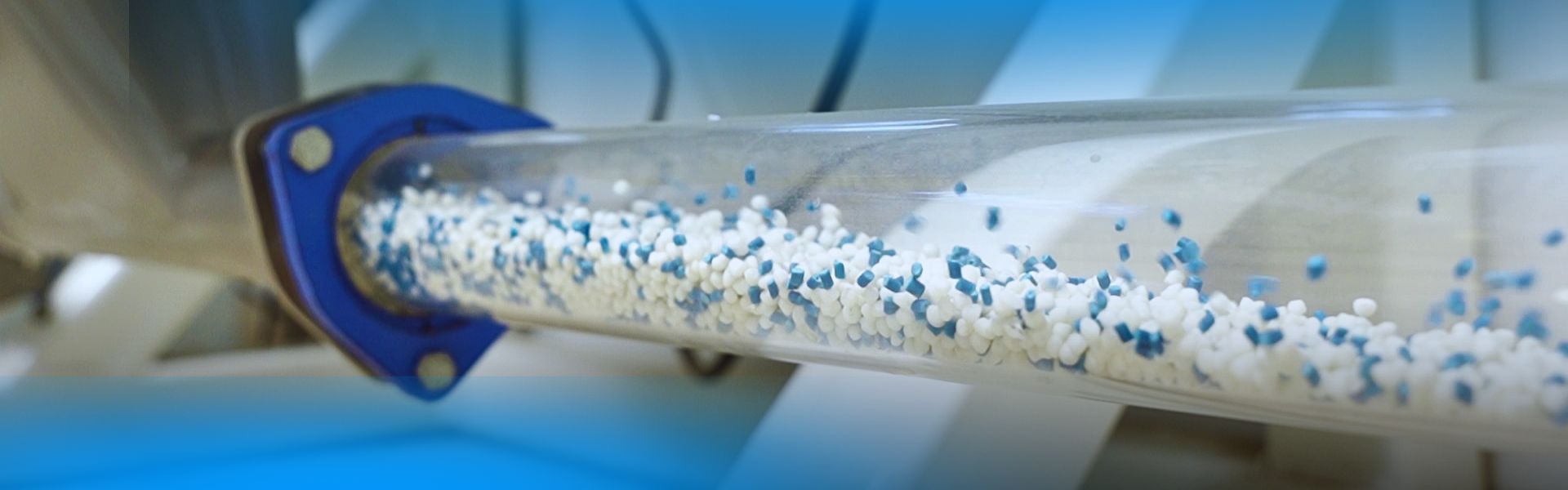
Instead of pushing material aggressively at 25–30 m/s, OptiLean™ focuses on:

  • Reducing air velocity without compromising pickup
  • Stabilizing material flow
  • Lowering wear on pipelines and bends
  • Cutting down power consumption
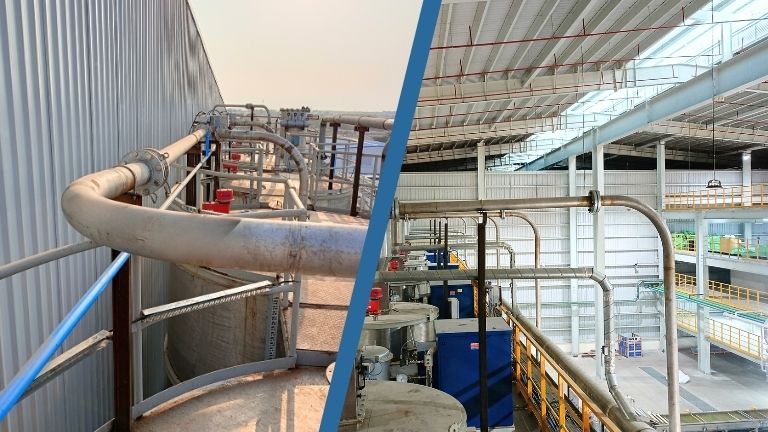
Optilean - Optimized Pneumatic Conveying
Optilean - Pneumatic Conveying

Think of it as a smarter, calmer version of dilute phase conveying-still flexible, still reliable, but far more efficient.

Optimizing air velocity isn’t about running faster or slower-it’s about running smarter.

When air velocity is right:

  • Material flows smoothly
  • Wear reduces
  • Energy consumption drops
  • Maintenance headaches fade away

And the system stops feeling like a problem… and starts feeling like an asset.

If you’re serious about pneumatic conveying efficiency, start by asking one simple question:

Is my air velocity working with my material-or against it?”

That answer changes everything.
Damage-Free Coffee Bean Handling- How Pneumatic Conveying Makes It Possible

Damage-Free Coffee Bean Handling:
How Pneumatic Conveying Makes It Possible

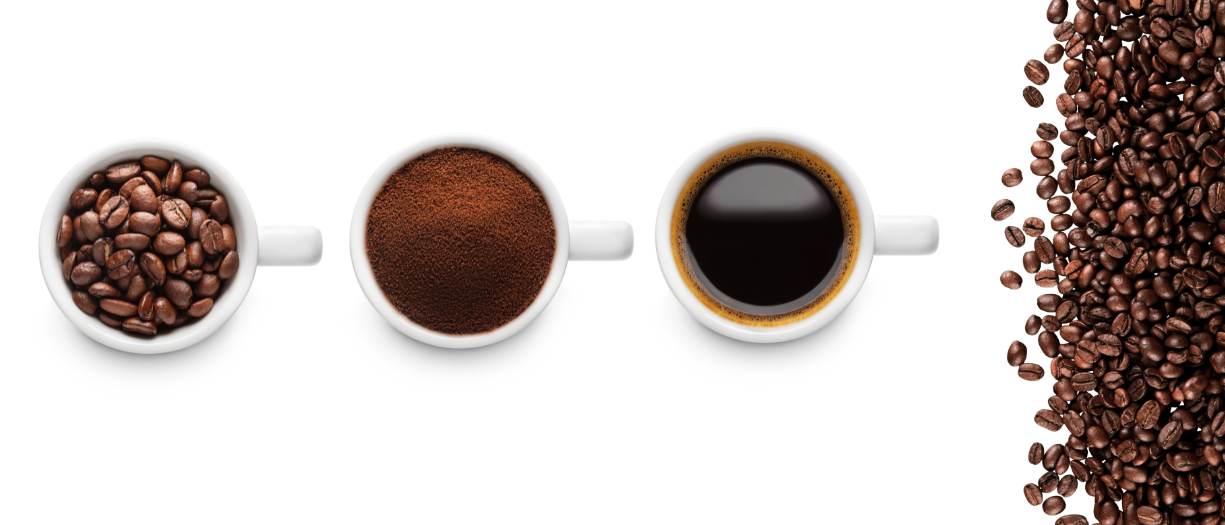
If you’ve ever watched coffee beans move through a processing plant, you know they seem sturdy. But here’s the twist: coffee beans are far more delicate than they appear. One rough conveyor, one sharp turn, or one burst of friction heat-and suddenly your premium beans are chipped, cracked, or stripped of aroma.

And if you’re producing for the specialty coffee segment or export markets, damaged beans aren’t just a quality issue-they’re a deal breaker.

So today, let’s break down why beans get damaged, and how pneumatic conveying has become the gentle, reliable, modern solution for coffee processors around the world.

Why Coffee Beans Get Damaged in the First Place

Although coffee beans look tough, they behave more like fragile cereals when handled at scale. Coffee beans take a beating during processing if the conveying system isn’t designed with care. Incorrectly designed conveyors often apply excessive forces, friction, and impact. The result? Cracks, breakage, and loss of delicate skin.


1. The Inevitable Problems with Traditional Mechanical Conveying

1. Difficult to Clean

Mechanical conveyors have too many moving parts-crevices, belts, screw flights-making thorough cleaning time-consuming and labor-intensive. This increases downtime and contamination risks.

2. Higher Maintenance

Chains need lubrication, belts require tensioning, screws wear out… maintenance never ends. And when a breakdown happens, it interrupts the entire line. Diagnosing and pinpointing issues in long systems can be challenging.

3. Routing Limitations

Mechanical conveyors dictate your layout. Want to go vertical? Or around structural beams? Too bad-you’re limited by fixed geometry and space constraints. They require substantial physical space, which is a drawback in crowded facilities.


Issues in Wrongly Designed Pneumatic Conveying Systems. Not all pneumatic systems are created equal

Pneumatic conveying is one of the gentlest and cleanest ways to move coffee beans but only when it’s designed correctly. A badly engineered system can create its own set of challenges, and many processors don’t realize the root of their problems is not pneumatic conveying itself, but the way it was configured and designed.

Here are the most common issues that arise from wrongly designed pneumatic systems:

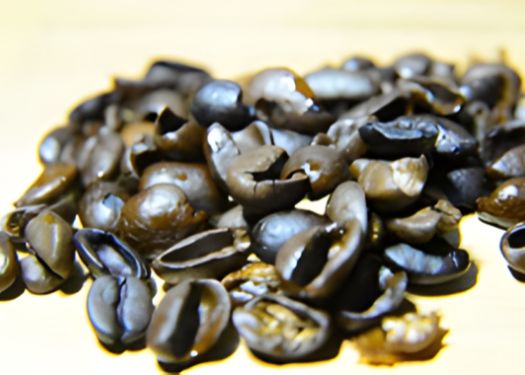
Cracking

Cracks coffee beans

Cracks form and weaken the structure of the beans 

Chipping

Chipping coffee beans

Breakage and rupture of beans deteriorates quality

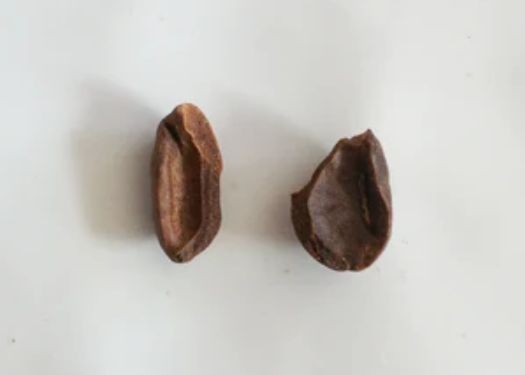
Skin Peeling

skin peeling coffee beans

Outer layer is peeled off due to friction

Aroma and Flavor Loss

Heat from friction and breakage due to impact can strip the bean’s natural oils.

And the consequences?

  • Inconsistent roast profiles
  • Unstable brew quality
  • Lower-grade output
  • Customer complaints over flavor variations

When your product is literally defined by flavor, aroma, and consistency, this kind of damage simply cannot be allowed.


2. Why Choose Dense Phase Pneumatic Transport for Coffee?

Here’s where pneumatic conveying steps in-not as a fancy upgrade but as a necessity for quality-focused coffee processors.

Pneumatic conveying uses controlled airflow inside enclosed pipelines to move beans gently and safely.

Why processors prefer pneumatic transport:

1. Gentle Handling Coffee Conveyors

Air cushions the beans, preventing collisions and metal contact.
The result? No cracking, no chipping, no “bruised” beans.

2. Low Heat Transfer

Since there’s minimal mechanical friction, the beans maintain their natural moisture and aromatic oils.

3. Zero Contamination

Closed pipelines keep dust, moisture, and foreign particles out.

4. Flexible Routing

Unlike mechanical conveyors, pipelines can run vertically, horizontally, and around tight corners.

5. Clean, Hygienic, and Food-Safe

Perfect for meeting modern food safety standards.

Simply put: pneumatic conveying protects the bean, preserves the flavor, and enhances overall plant efficiency.


3. Where Pneumatic Conveying Works Best in Coffee Processing

Let’s break down the key areas inside a coffee plant where pneumatic transport truly shines.

A. Transport of Raw Coffee Beans to the Roaster

  • Raw beans are relatively robust
  • Moisture content is higher
  • Their surface skin is still intact

Using pneumatic conveying here ensures:

  • No mechanical shock
  • No premature peeling
  • Smooth, controlled flow to the roaster hopper

This directly improves roast uniformity and reduces rejections.

B. Storing and Transferring Roasted Coffee beans

Once roasted, beans must be transferred through storage, grinding or extraction processes.

Pneumatic conveying allows:

  • Consistent feeding at specified throughput to different machines
  • Minimal to no breakage of fragile beans
  • Dust-free and contamination-free operation

When your brand sells “premium whole bean coffee,” damaged beans inside the bag are a big no-no. Pneumatic transport keeps every bean Instagram-perfect.


4. Coffee Transport Solutions by Indpro

Indpro specializes in custom-designed pneumatic systems that focus on gentle, damage-free coffee handling.

What makes the Indpro approach different?

Customized to Bean Type

Green beans, roasted beans, ground coffee-each flows differently. Systems are tuned accordingly.

Optimized Air Velocity

Too fast? Beans break.
Too slow? Lines choke.
Indpro balances speed, pressure, and pipeline design perfectly.

Food-Grade, Hygienic, Dust-Free Systems

Ideal for premium, specialty, and export-grade coffee processors.

Minimal Maintenance, Long-Term Reliability

No belts, no screws, no buckets-just efficient blowers and pipelines.

End-to-End Support

From raw bean intake to packaging conveyor feeding, Indpro covers the entire handling journey.

Choosing the right conveying system for coffee isn’t guesswork-it’s science.

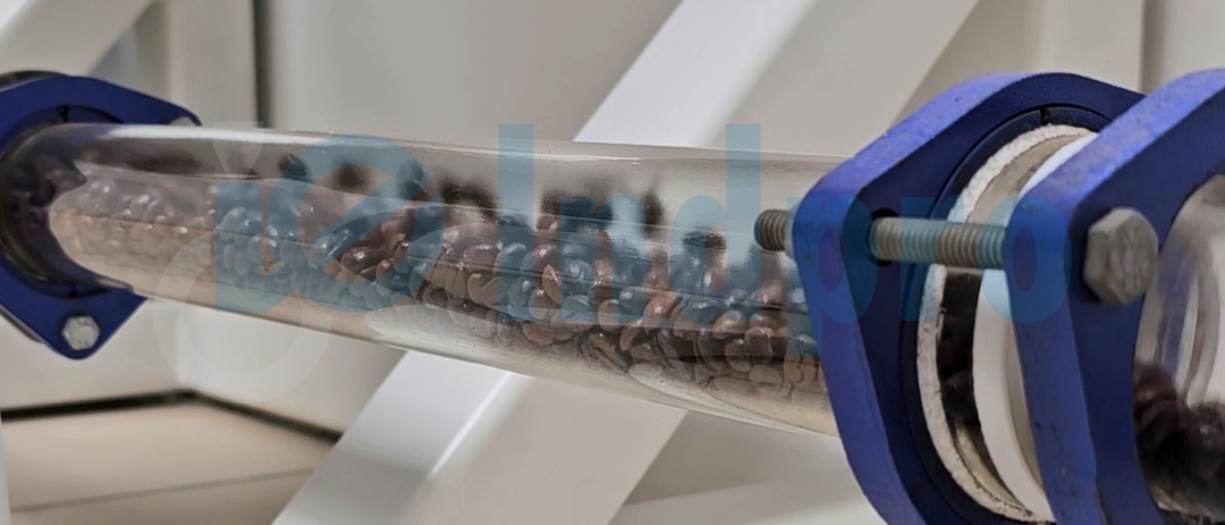
Indpro offers a fully functional test lab where you can:

  • Run your actual coffee beans through trial conveyors
  • Check breakage rates
  • Optimize air velocity
  • Validate conveying distances
  • Measure aroma retention
  • Confirm packaging line compatibility
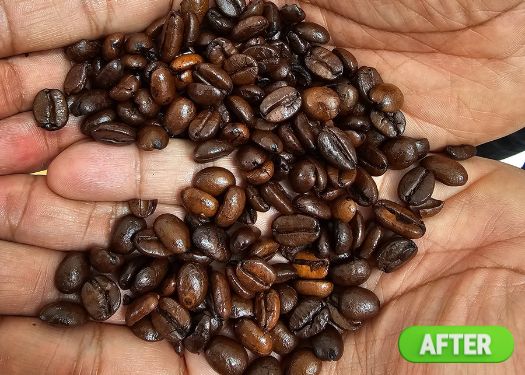
Before Pneumatic Conveying
After Pneumatic Conveying

This takes all the uncertainty out of system selection.
You see how your beans behave before the system is built.

For specialty coffee producers, this test lab alone is often the biggest confidence booster.

Damage-free coffee bean handling isn’t just a quality improvement-it’s a brand reputation builder.

And with Indpro’s specialized coffee handling solutions and the test lab facility, processors can design a system that’s tailor-made for their bean, their roast profile, and their production scale.