Indpro Logo

Indpro
Typically replies within an hour

Indpro
"Hello!👋

How can I help you today with your bulk material handling needs?"
×
Chat with Us

Why Should You Convey Your Material Pneumatically?

Why Should You Convey Your Material Pneumatically?

Types of Conveying Systems:

Primarily there are two types of conveying systems i.e. mechanical conveying systems and pneumatic conveying system. While the characteristics of each material and the requirements of the specific process may clearly dictate one technology over another, both mechanical and pneumatic conveyors are suitable for most bulk conveying applications.

One of the most important factors to consider is the properties of the material to be conveyed, including bulk density, flow properties, temperature, moisture content, inherent hazards and allowable degree of degradation. Both pneumatic and mechanical conveyors will handle a wide range of products, from fine powders to large particles. Both types are often designed to move materials that are friable or fragile, also temperature-sensitive materials.

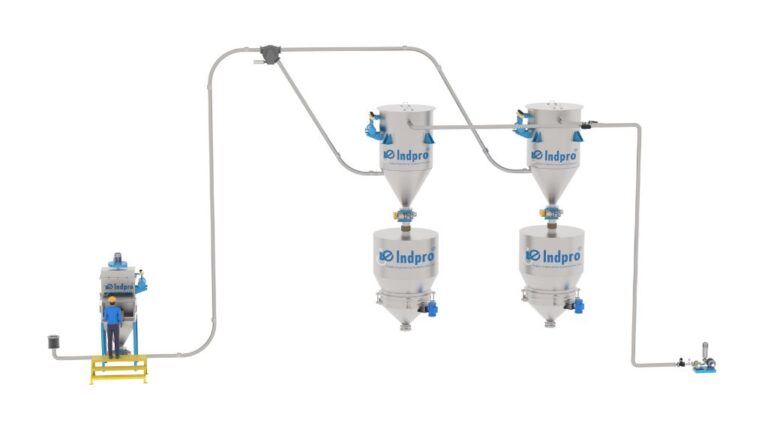
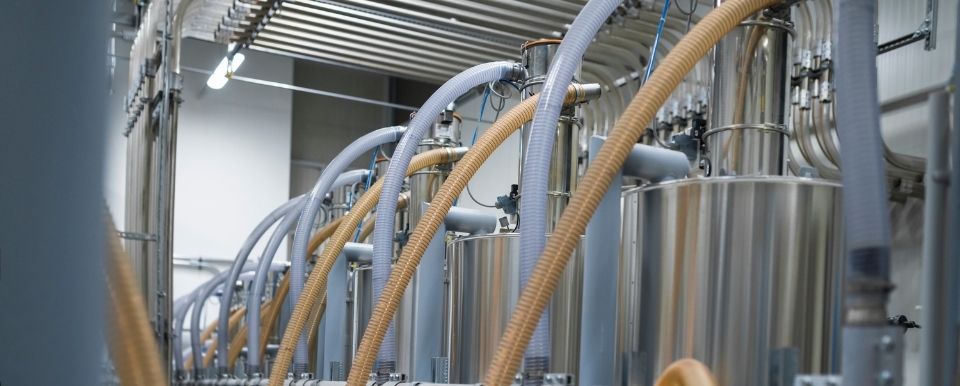
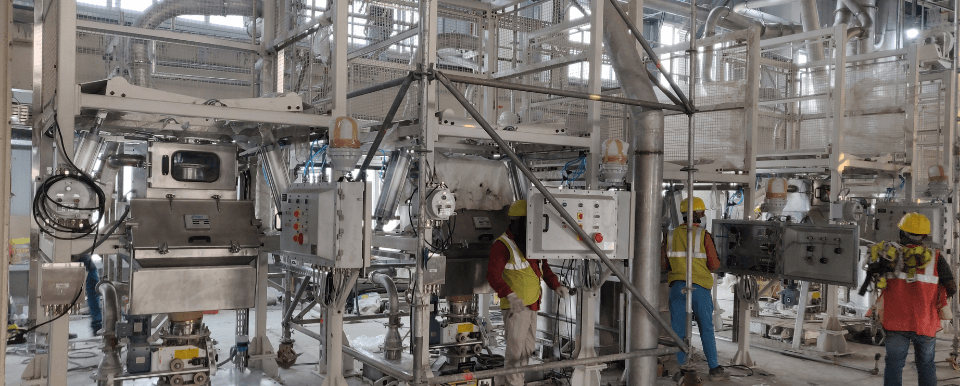
Industries know the importance of pneumatic conveyors in transferring bulk quantities of materials from one place to a different one. Pneumatic conveying systems are specially designed to hold stream of air and mixture of bulk solid material. They contain pipes or ducts which are referred to as transportation lines.

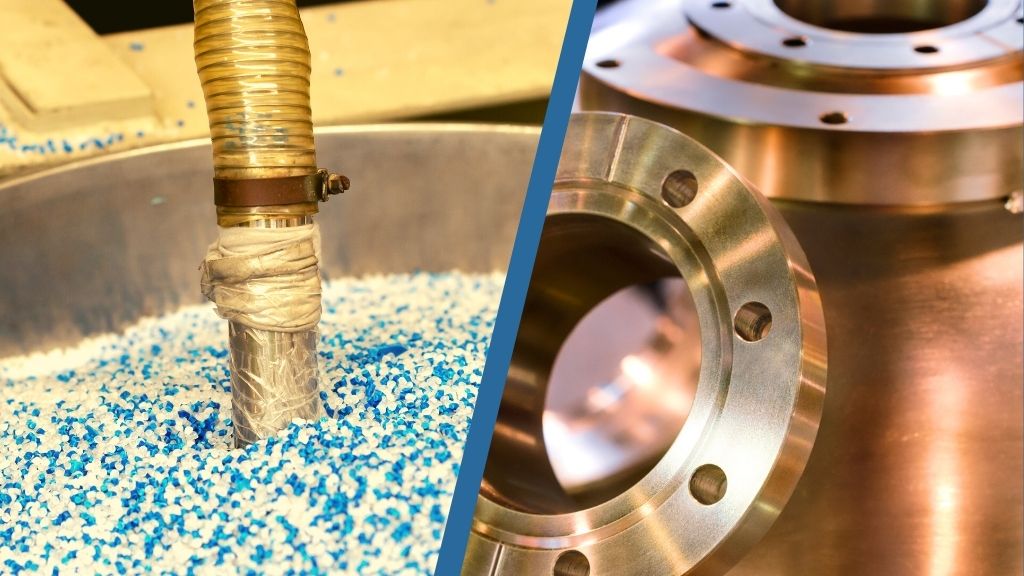
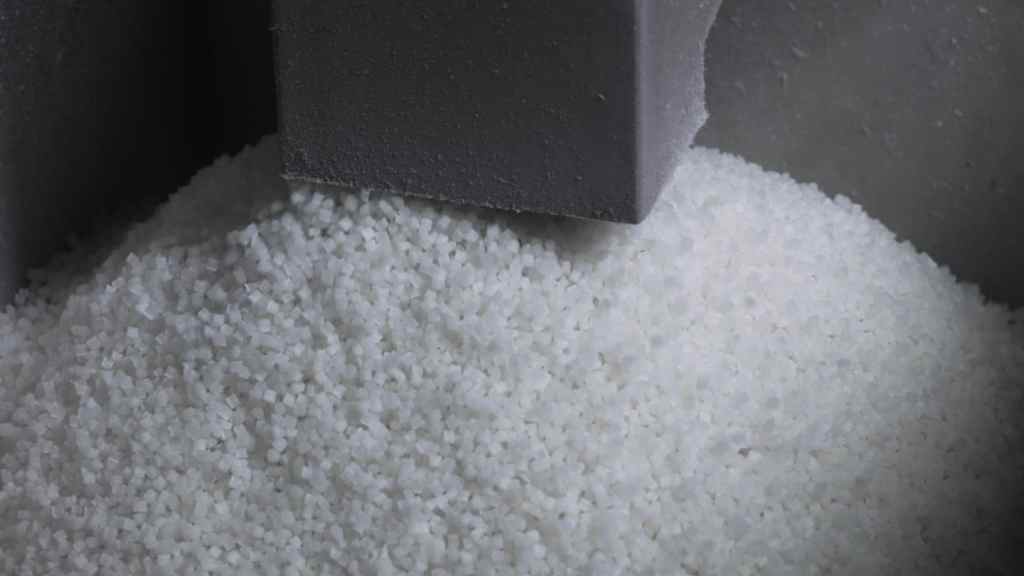
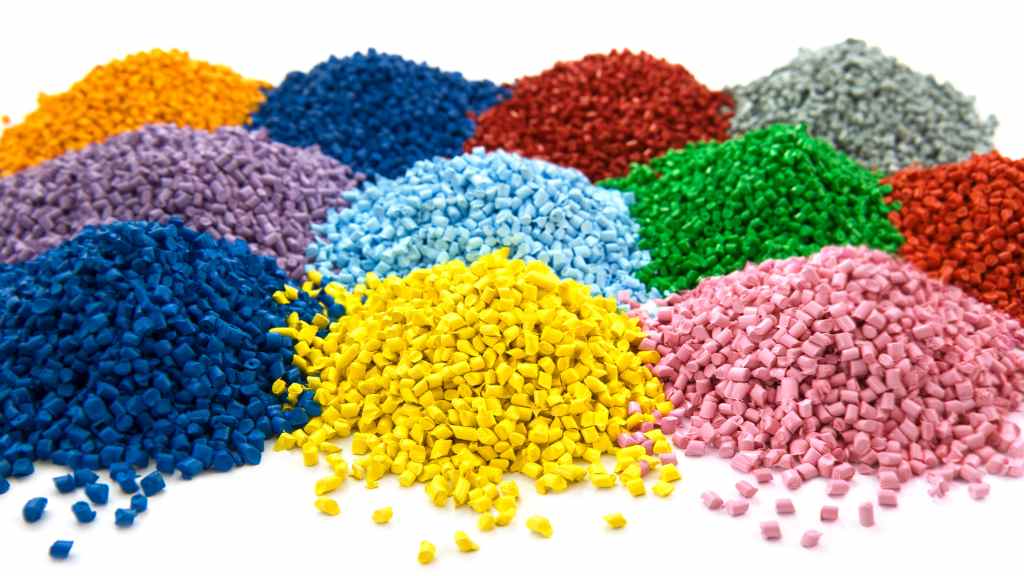
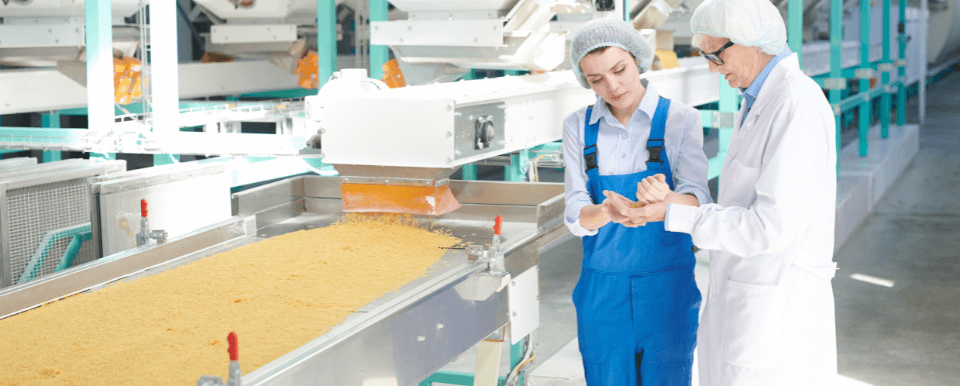
In most of the cases, the bulk solid is in dry powdered or granular form which is being transferred using pneumatic conveying system. They can be food related which being charged into vessels/mixers, chemicals being charged into reactors and even polymer granules being charged into hoppers above extruders or injection moulding machines.

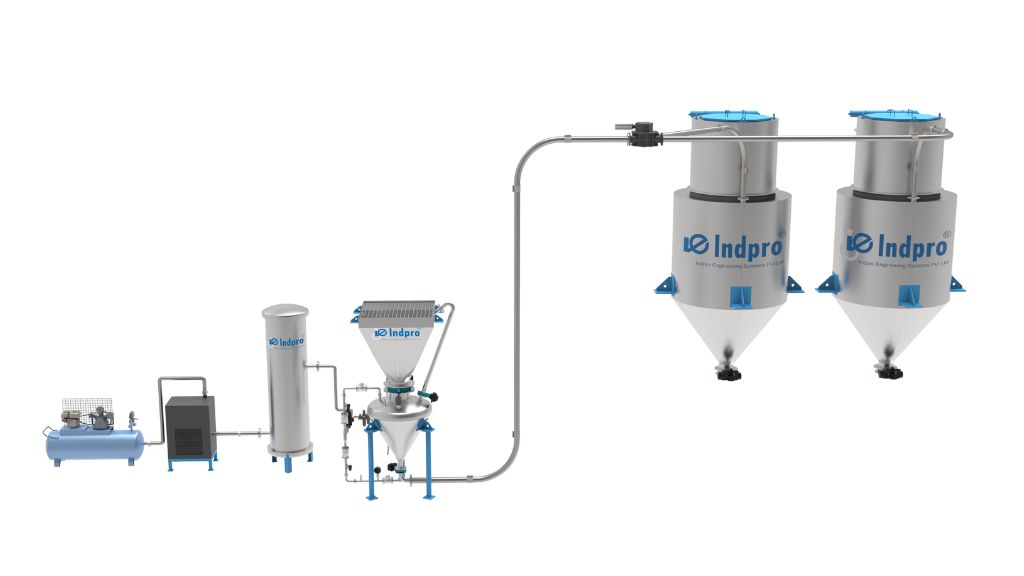
There are two major classes of pneumatic conveyors based on mode of transport: dense phase systems & dilute phase systems; Dense phase pneumatic conveying systems are high pressure systems used to convey material to large distances and are especially useful for fragile or abrasive material due to its low velocity nature. Dilute phase pneumatic conveying systems are low pressure high velocity systems which have utmost flexibility for the kind of range of materials that can be handled. The air flow may be generated with air compressors or blowers.

Pneumatic conveying is typically used to transfer solids of all sizes at process plants with specific intervals. The procurement of several of the elements comprising a conveyor system such as rotary valves, conveying pipes and air movers is examined, particularly because it concerns the reliable operation of a conveyor system.

A standardized mechanical conveying device operates in a straight line with minor directional adjustments, usually requiring its own motor and drive for each directional shift. It often has a fairly significant number of moving pieces, usually involving regular maintenance. Often, the machine appears to take up much precious real estate in a plant. Pneumatic conveying system, on the other side, uses a basic pipeline with a small diameter to move material. The system is totally enclosed and has few moving parts as it is electronically managed. It is completely dust free and is easier to maintain.

There are three basic systems that are used to generate high velocity air stream.

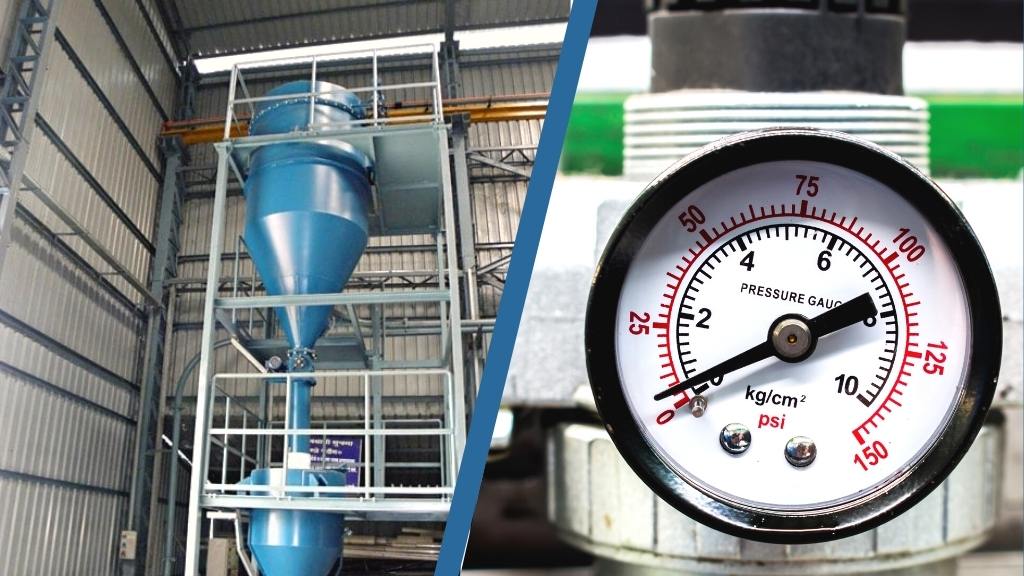
  1. Suction or vacuum conveying systems for drawing material with the ambient air using vacuum produced in the pipeline. The system is operated at low pressure, that can be about 0.4 to 0.5 bar (g) below the atmosphere, which is primarily used to move light-free flowing products.

  2. Pressure type systems can use a positive pressure to move material from one point to another. The device is suitable for moving material from one loading point to different unloading locations.  Conveying pressures can range from 0.5 to 4 bar (g).

  3. Combination systems, utilizing a suction device to move material from a number of loading points and use a pressure method to transfer it to a range of unloading points.

  • Blowers / vacuum pumps / compressor

  • Rotary airlock valve

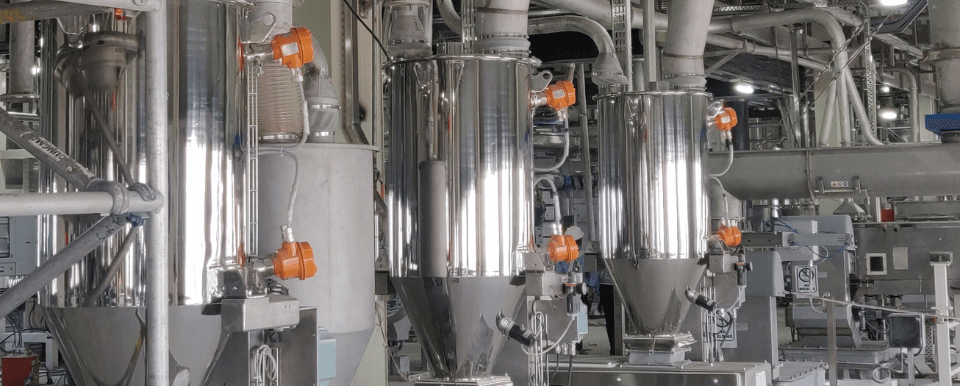
  • Filter receivers

  • Cyclone Separators

  • Bin vents & Dust collectors

  • Silos day bins and other storage vessels

  • Pipeline

  • Feeding device

  • Air separator

  • Control panels and electrical equipment

Dense-Phase Conveying System:

This type of conveying system transfers the materials whose particles are either heavy and enormous, fragile or abrasive. As heavier particles cannot remain suspended within the air flow, large molecules can’t be conveyed by the high velocity air in dilute-phase system. In such cases, dense phase conveying system is employed which may transfer heavy materials in bit through pipeline. Fragile materials need to be conveyed at a lower velocity to preserve their integrity. Abrasive materials need to be conveyed at low velocities to minimize pipe erosion. Example: Sand, sugar, carbon black.

The dilute  or lean phase pneumatic conveying system depends on the momentum of the airstream to pick up and transfer each particle, keeping the particle in suspension on along the conveyor. The material never settles at the bottom of the pipeline. It works at a fairly high momentum at a relatively low pressure differential. The intake velocity at the outset of the device (i.e the airflow velocity at which material is picked up and transfer at material feed point) is usually regarded to be the most important area in the device, since at this stage the air is at lowest intensity of the whole system. A well designed pneumatic conveying system will have this velocity well optimized and hence minimize energy consumption. The major advantage of the dilute phase conveying system is flexibility. There is a wide range of materials that can be conveyed in the dilute phase as compared to the limited materials that can be conveyed in a dense phase. Examples: meal, maize.

When you have to transfer objects like cans, boxes, and plastic containers, the air-activated gravity conveying system are used. They use pressure for transferring such objects through the transportation lines. These sorts of conveying system work totally different from both of the above types.

  • Pneumatic conveyors offer greater cost effectiveness when conveying in higher capacities and/or over longer distances.

  • Dust-free operation at production point.

  • Materials remain sanitary and promote plant hygiene.

  • A simpler method for product pick-up process.

  • Increased safety to the operators and maintenance workers.

  • It requires very low maintenance.

  • Helps to enhanced flexibility.

  • It helps to prevent any product leakage and contamination.

  • Pneumatic conveying systems require very little space as conveying is through pipes.

  • They are easy and quick to install and maintain.

Importance of Bulk Material Engineering

Importance of Bulk Material Engineering

If you’re asking the question ‘What is Bulk Material Handling?’ you’re likely new to process manufacturing or looking to solve a current need in your production process.  Either way, we can help.  At Indpro we’ve been helping customers with their bulk material handling needs for over 16 years.  So we’d like to share a few insights with you.

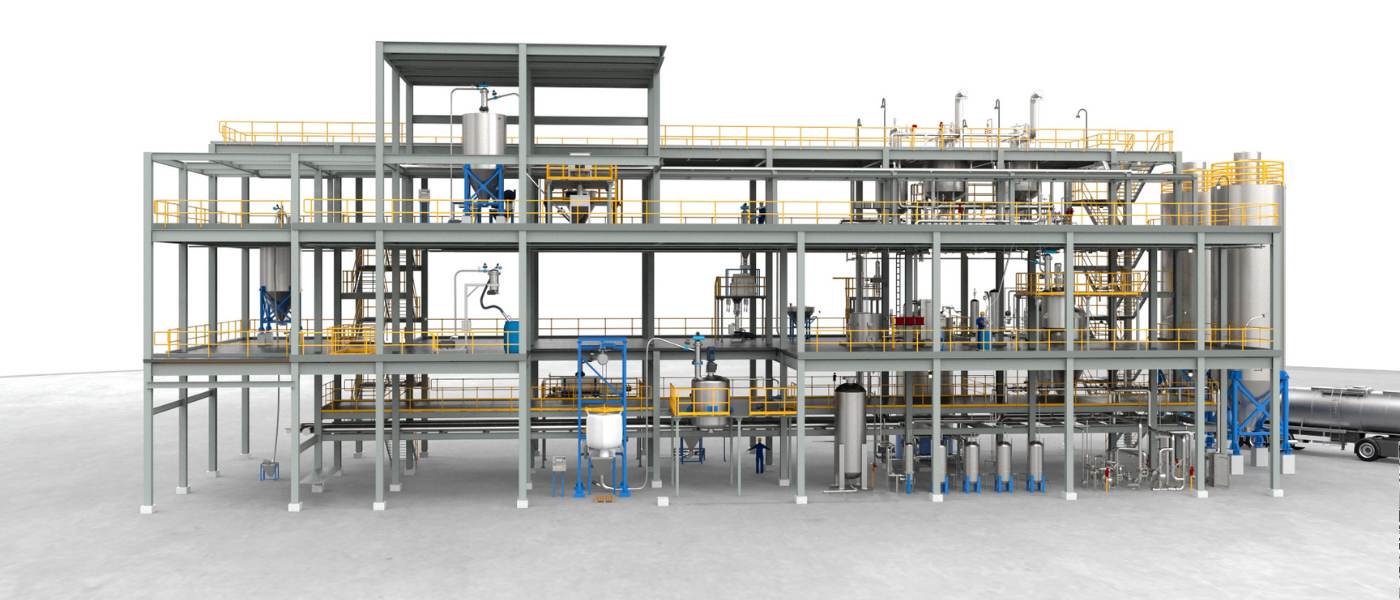
In our academics, we do not find any subject which educates us about bulk solids and their handlings. Bulk material handling is an engineering field that’s centred on the design of equipment used for the handling of dry materials. Bulk materials are those dry materials that are powdery, granular, or lumpy, and are stored in heaps. In many of the enquiries which we receive, the client is not aware of how to handle his bulk solid. Indpro not only provides a solution to his needs but also provides sufficient knowledge about handling his material. Handling of Bulk Material includes conveying, blending, dust extracting, weighing & bagging as well as storing.

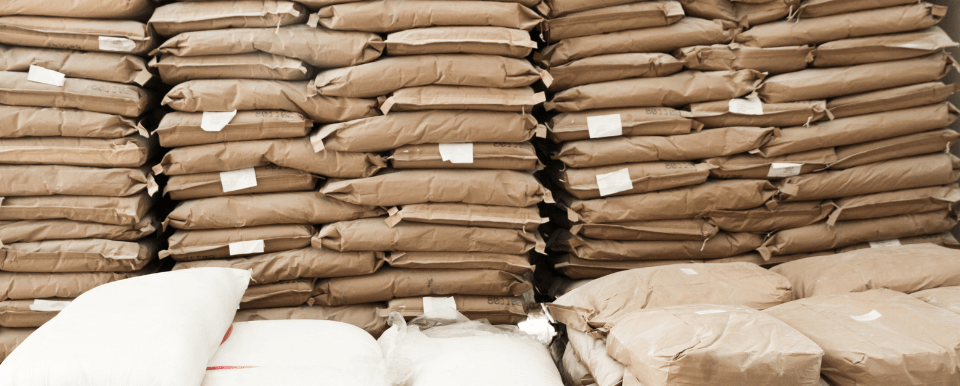
The term ‘bulk material handling’ generally refers to the engineering involved in designing mechanical equipment to handle and process bulk materials.  Powders, granules, flakes, or pellets are supplied and delivered in a variety of different containers.  These are typically bulk bags (often called big bags, FIBCs, or super sacks), boxes, and rigid bins.

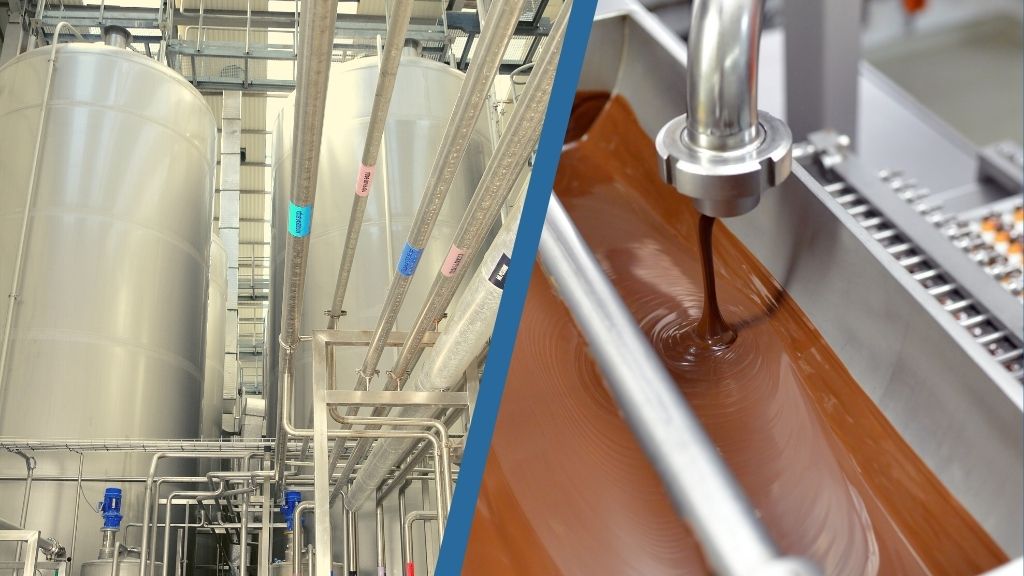
Bulk material handling is an essential part of all industries that process dry bulk ingredients. Process industries include the manufacturing of food, beverage, pet food, animal feed, tobacco, chemical, agricultural chemical, polymer, plastic, rubber, ceramic, cosmetic, electronics, consumer home products, mining, mineral, powdered metal, paint, pigment, coating, paper, textile, and recycling industries all utilize dry bulk materials.  Buying in bulk saves money.  Quite literally thousands of materials are bought or sold in bulk. These vary from food ingredients, chemical powders, and pharmaceutical powders to plastic pellets or flakes.

Every bulk material handling system we designed is completed only after carefully analyzing your material. After all, system performance is highly dependent on the material just like a car performs only as well as its driver does. Have you come across a material handling system that was promised to work but did not because of a lack of knowledge and experience about the material by the supplier? Think Indpro.

How Bulk Material Handling impacts in our everyday lives? :

Our day to day life needs is once handled as bulk materials. You will be surprised to know about the wide applicability of this subject and how it impacts you. Let’s start one by one.

  • Wheat/Maida required in biscuits.
  • Powder/Granules to make energy drinks.
  • Granulated sugar and dextrose bulk solids handling systems.
  • Low pressure continuous dense phase conveying systems for the nut industry (peanuts, almonds, pecans, etc.).
  • Flour, grit, and grain handling systems for cereal production.
  • Flour sifting, storage, and mixer transfer systems.
  • Corn receiving, cleaning, storage, transfer, and scaling systems.
  • Green coffee bean unloading, cleaning & storage.
  • Citric acid, dextrose, sugar and starch handling for candy plants.
  • Feeding cellulose in cheese processing to reduce sticking.
  • Feeding vitamins into cereal for FDA compliance.
  • Feeding flour into continuous dough manufacturing.
  • Feeding seasonings into enrobes for coating snacks.
  • Feeding powdered sugars and other dry components into confections.
  • Malt, grit, and grain handling systems for breweries.
  • Plastic compounding for manufacturing of Pen, Chairs, tables, etc.
  • Polyester production for the manufacturing of clothes.
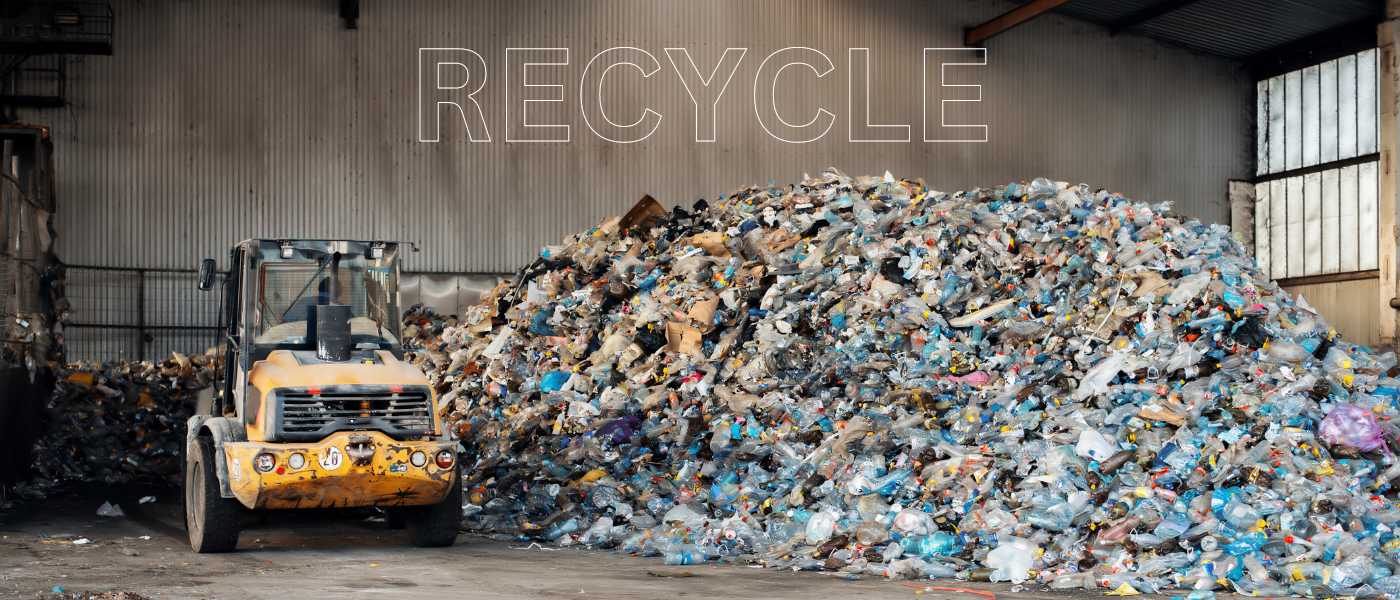
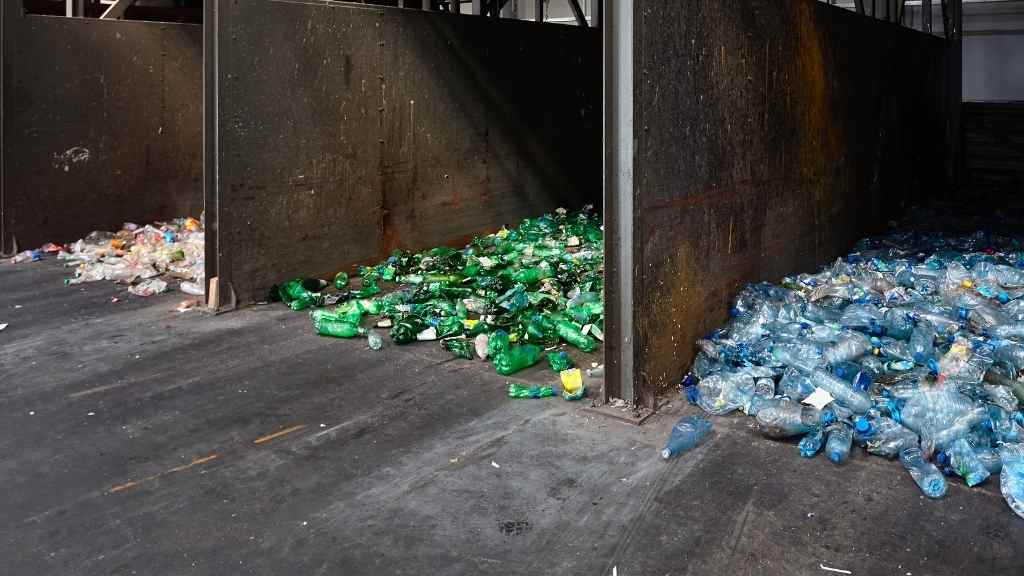
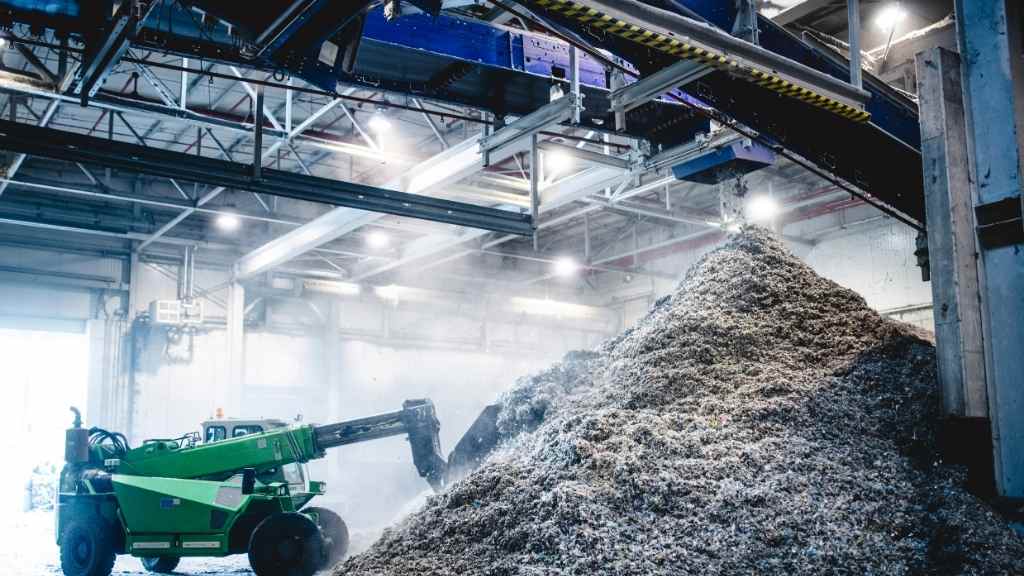
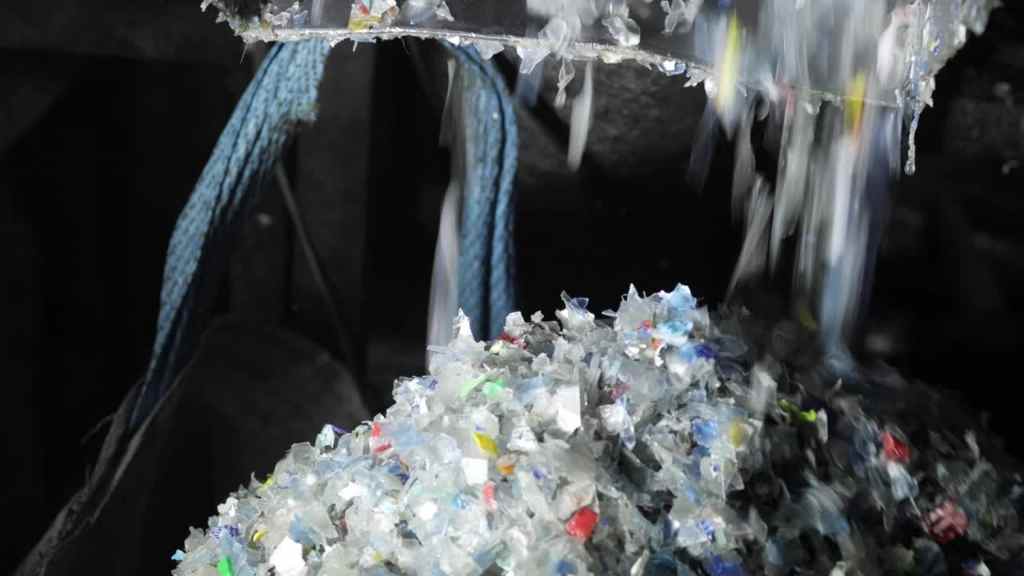
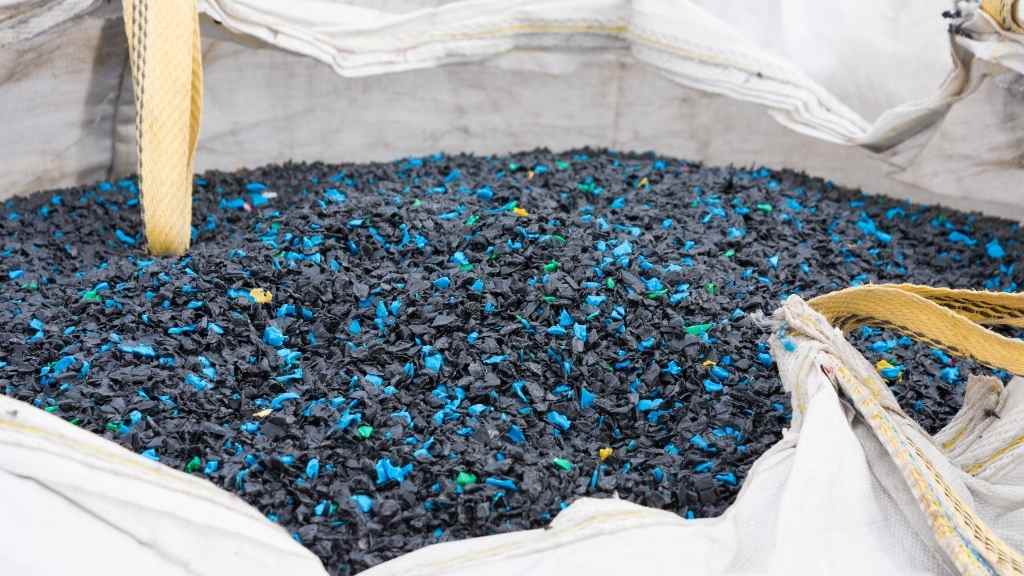
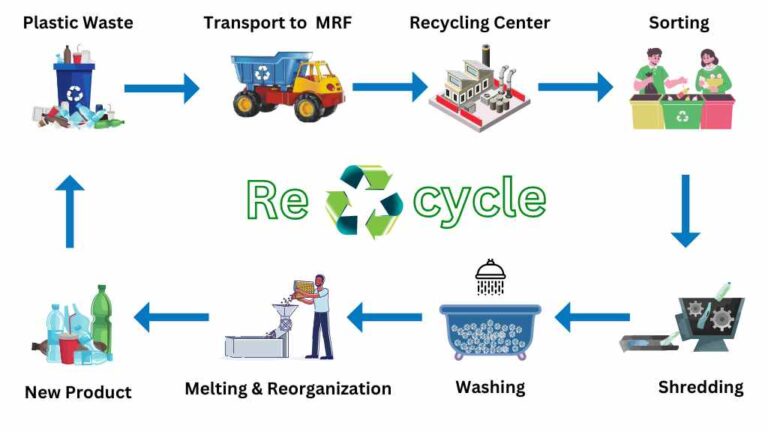
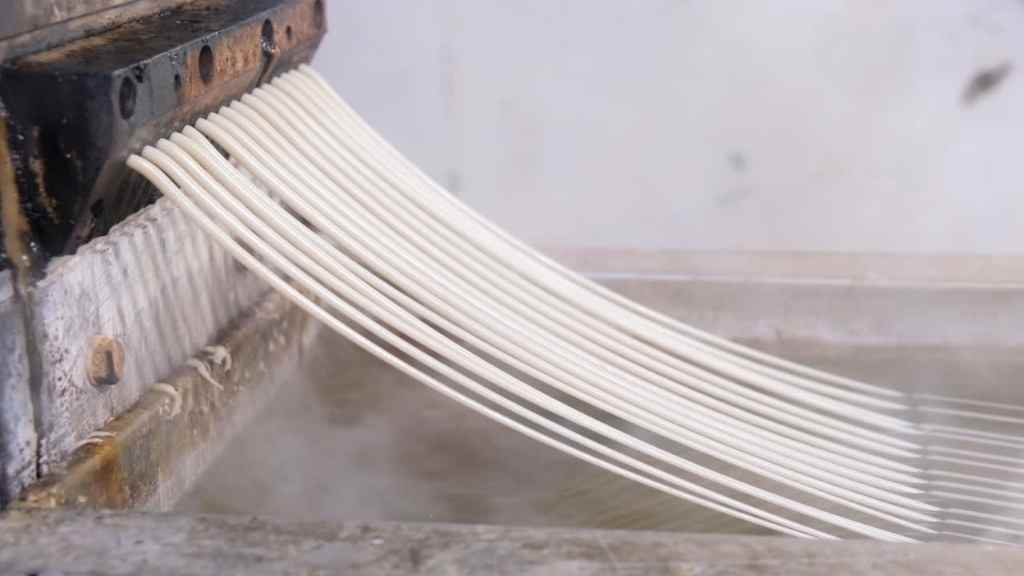
  • Plastic granulation and plastic film recycling.

A mixture of ingredients is fed into the tablet press at one end, and tablets of a consistent shape and size emerge at the other. However, this process is not isolated. Before reaching the tablet press, the ingredients must be measured, dispensed, and blended, and once the tablets have been made, they then need to be packaged into bottles or blister packs containing the correct number of units. Materials handling refers to how materials are fed from one part of the overall manufacturing process to another.

Supplying Your Bulk Materials in Bulk Containers :

If you supply your material in bulk, you will need bulk filling equipment at the end of your process to fill bulk bags, boxes, drums, or totes. Bulk material filling equipment is extremely beneficial to processors as they can be used to fill multiple types of bulk containers, minimize manual handling, and supply a secure, easy, controllable, and dust-free method of filling. Filling stations can be customized to suit the height and access requirements along with potentially hazardous areas. Packaging machines are designed not only to provide a dust-free and accurate method of weighing and filling but also for a safe storage or transport. The packaging is equally important in the Bulk solids handling system. Many a time’s material needs to be packed for further processing. For the packing purpose, we can use Automatic & Semi-Automatic Bagging Machines. Bulk Materials can be packed using these bagging machines for further processing or storing.

Of course, there are many other types of bulk material handling equipment such as hoppers, bag or sack dump stations, storage silos, bin activators, screeners, bulk bag conditioners, control systems, and more.

About Us

Indpro Engineering Systems Pvt. Ltd. is one of the leading organizations offering a wide range of services for bulk solids handling projects. Our services include Project Engineering, Consultancy & Manufacturing of Pneumatic Conveying Systems, Grain Handling SystemsAir Pollution Control, and Material Handling Systems. Established in 2004, Indpro Engineering Systems Pvt. Ltd. bring you to a ‘Single Point Solution’ in bulk solids handling packages right from raw material intake to the packaging of your finished goods. We offer the ‘Turnkey’ solutions to the industry. We serve to a wide spectrum of industries including Food, Chemical, Petrochemicals, Plastic, and Minerals.

Of course, there are many other types of bulk material handling equipment such as hoppers, bag or sack dump stations, storage silos, bin activators, screeners, bulk bag conditioners, control systems, and more.

Our Product Verticals:

  • Pneumatic Conveying Systems
  • Grain Handling Systems
  • Specialized Industrial Air Filtration Systems
  • Dust Extraction Systems / Product Recovery Systems
  • Bulk Solids Handling Systems & System Components
  • Standard Products

We cater to a wide spectrum of industries.

  • Distilleries
  • Breweries
  • Plastics and Polymers
  • Food Grains
  • Chemicals
  • Minerals
  • Petroleum
  • Oil and Natural Gas
  • Fertilizers
  • Paints