
How Blade Design Affects Bag Slitting Performance
How Blade Design Affects Bag Slitting Performance
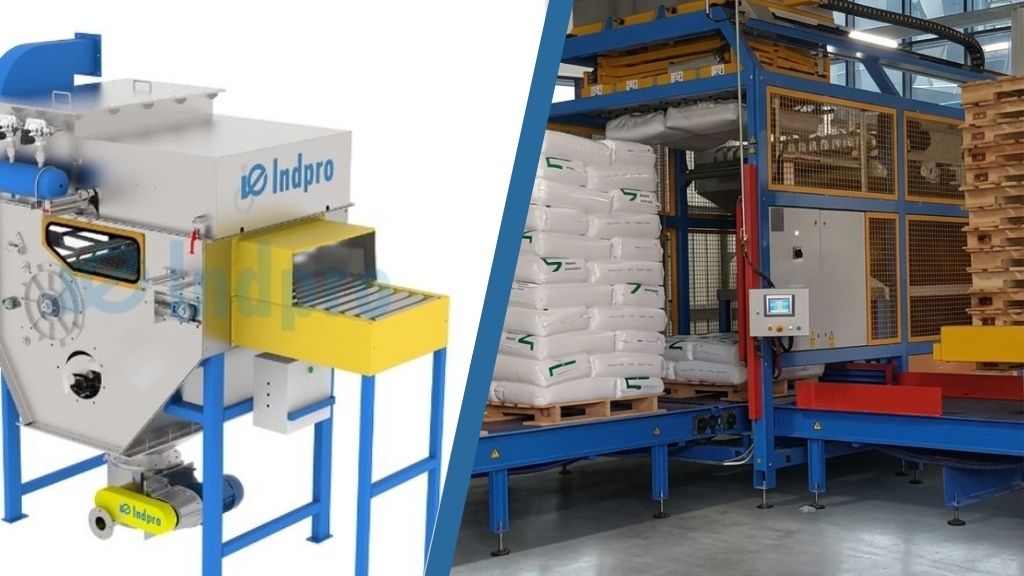
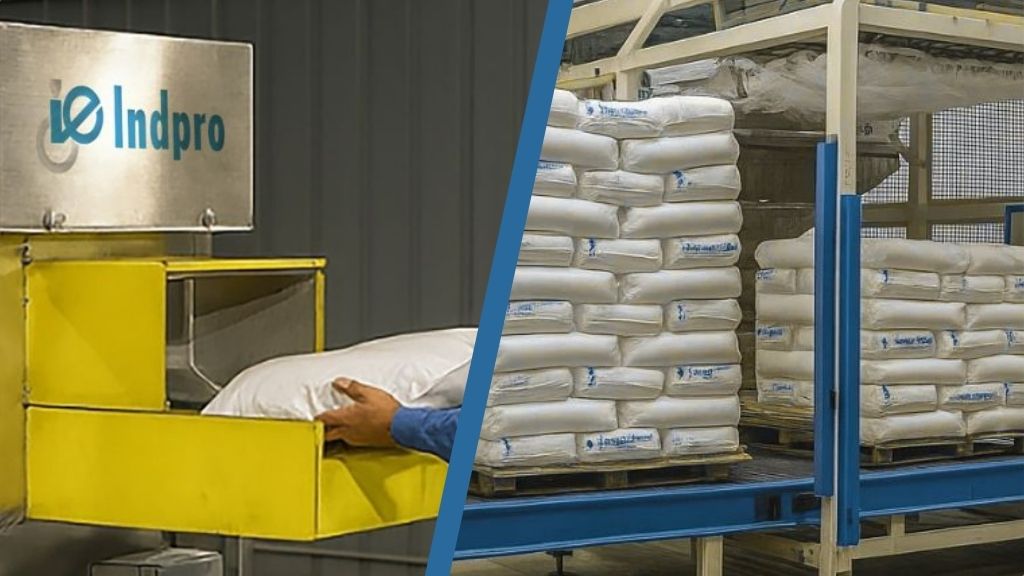
In modern bulk material handling operations, efficiency of an automatic bag slitting machine is often judged by throughput numbers, automation levels, and system integration. Yet, hidden within these large-scale systems lies a deceptively small but critically important component – the slitting blade.
For industries handling polymers, minerals, food ingredients, and specialty chemicals, automatic bag slitting is not just a preliminary step – it is a determinant of downstream process integrity. And at the heart of this process lies blade design.
This article explores, in depth, how blade design influences bag slitting performance across mechanical efficiency, material recovery, dust control, safety, and long-term operational economics. It also presents a forward-looking perspective on how advanced engineering approaches are transforming blade design from a consumable component into a strategic performance lever.
1. Reframing Bag Slitting: From Utility to Precision Engineering
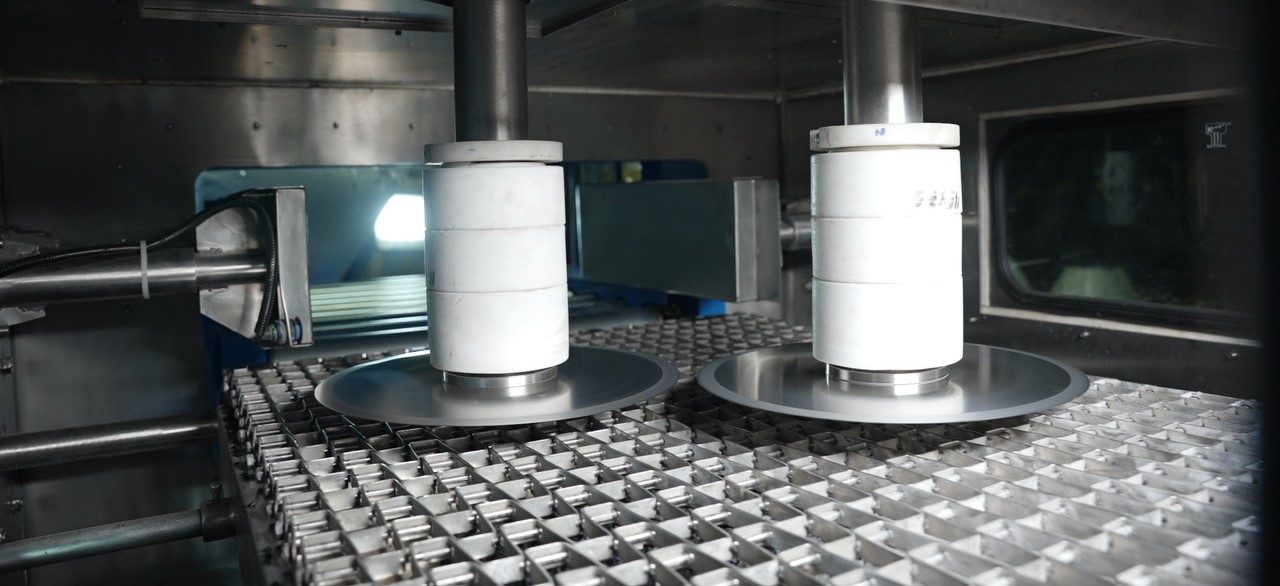
Traditionally, bag slitting has been treated as a mechanical necessity – a simple step to open bags before conveying or processing. However, this perception underestimates the complexity involved.
Each bag presents a unique challenge:
- Multi-layer structures (woven + liner combinations)
- Variable tensile strength and elasticity
- Irregular filling and compaction
- Orientation variability during feeding
The blade must interact with this variability in a controlled and repeatable manner, ensuring:
- Complete opening of the bag
- Minimal disturbance to the material
- Zero interference with downstream processes
A poorly engineered blade system transforms bag slitting into a source of inefficiency, while a well-designed one turns it into a performance enabler.
2. Cutting Mechanics: Understanding the Science Behind the Blade
Bag slitting is fundamentally governed by the mechanics of cutting, which involves:
- Stress concentration at the cutting edge
- Material deformation prior to fracture
- Frictional interaction between blade and substrate
There are two primary modes of cutting:
- Blade applies localized stress exceeding material strength
- Clean separation occurs
- Minimal deformation and energy loss
- Material stretches before failure
- Irregular rupture occurs
- Generates fibers, dust, and fragments
- Edge sharpness
- Blade angle
- Surface finish
- Relative motion between blade and bag
3. Blade Geometry: The Core Determinant of Slitting Performance
3.1 Edge Profile Engineering
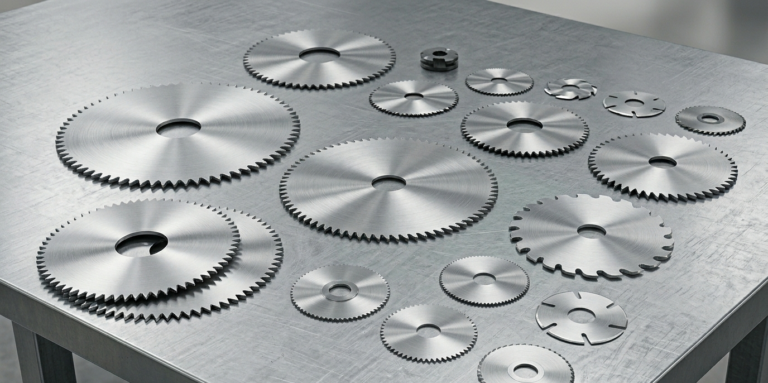
The edge profile directly influences how the blade engages with the bag material.
- Provide uniform cutting along the edge
- Suitable for low-resistance materials like paper sacks
- Less effective for woven or flexible bags due to slippage
- Feature micro-teeth that act as multiple cutting points
- Improve grip on slippery or elastic surfaces
- Reduce initial penetration force
- Introduce a pulling action during cutting
- Enhance penetration consistency
- Particularly effective for woven polypropylene (PP) bags
- Serrated leading edges (for grip)
- Smooth trailing edges (for clean finishing)
3.2 Blade Thickness and Rigidity
- Structural stability
- Cutting resistance
- Heat dissipation
- Lower cutting force
- Reduced energy consumption
- Higher risk of deflection and wear
- Greater durability
- Increased cutting force
- Potential for higher material disturbance
3.3 Blade Angle Optimization
The edge profile directly influences how the blade engages with the bag material.
- Shallow angles → slicing action → cleaner cuts
- Steep angles → punching action → increased tearing
- Insufficient clearance → friction, heat, and drag
- Excessive clearance → reduced support and instability
- Greater durability
- Increased cutting force
- Potential for higher material disturbance
4. Material Science of Blades: Balancing Hardness and Toughness
Blade material selection is a critical engineering decision.
Key Properties:
- Hardness: Resistance to wear
- Toughness: Resistance to fracture
- Edge retention: Ability to maintain sharpness
- Good balance of hardness and toughness
- Cost-effective and widely used
- Extremely high wear resistance
- Ideal for abrasive environments (e.g., mineral-filled bags)
- Brittle—requires careful handling
- Reduced friction coefficient
- Improved corrosion resistance
- Enhanced lifespan
5. Blade Wear Dynamics and Lifecycle Management
Blade wear is inevitable, but its impact can be managed through design.
5.1 Types of Wear:
- Abrasive wear (due to fillers or contaminants)
- Adhesive wear (material sticking to blade surface)
- Edge rounding (loss of sharpness)
- Increased cutting force
- Transition from cutting to tearing
- Higher dust generation
- Incomplete bag opening
- Surface coatings to reduce friction
- Replaceable blade inserts
- Quick-change blade assemblies
- Predictive maintenance systems
6. Interaction with Bag Types: Application-Specific Design
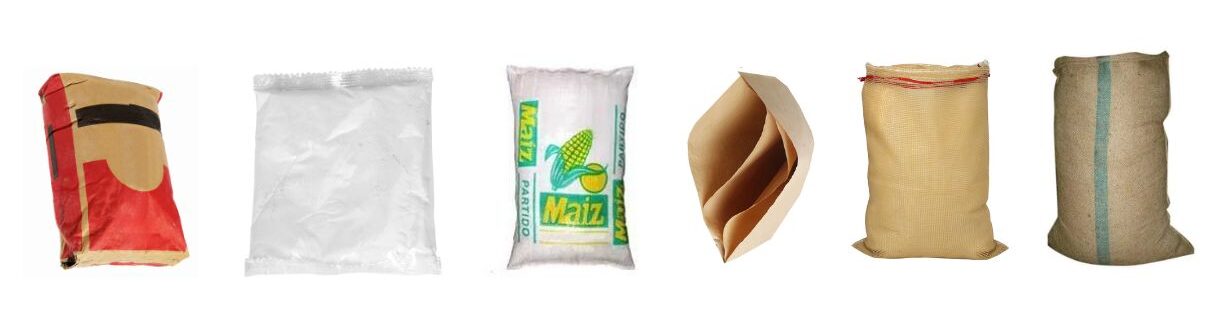
Different bag types demand different blade strategies.
6.1 Woven Polypropylene Bags
- High tensile strength
- Require aggressive engagement (serrated/hooked blades)
- Layered but less elastic
- Prefer clean slicing (straight or hybrid blades)
- Combination of rigid and flexible layers
- Require controlled penetration to avoid liner entanglement
7. Impact on Downstream Process Efficiency
Blade performance has cascading effects across the system.
7.1 Woven Polypropylene Bags
Incomplete slitting leads to:
- Material trapped in bag corners
- Reduced yield
- Near-total discharge
- Improved process economics
- Tearing increases airborne fines
- Clean cutting minimizes dust liberation
- Food-grade applications
- Polymer processing
- Hazardous material handling
- Bag fragments entering conveyors
- Blockages in sifters
- Increased maintenance frequency
8. Energy Efficiency and Operational Economics
Blade efficiency directly impacts:
- Power consumption
- Wear on drive components
- Maintenance costs
Efficient Blade Systems:
- Require lower cutting force
- Reduce motor load
- Extend equipment lifespan
9. Integration with Advanced Technologies
Modern engineering is redefining blade systems through:
9.1 Simulation-Driven Design
- DEM (Discrete Element Method) for material flow
- CFD for dust behavior
- Wear sensors
- Load monitoring systems
- Predictive maintenance algorithms
- Application-specific blade profiles
- Modular blade assemblies
10. Strategic Perspective: Blade Design as a Competitive Advantage
Organizations that optimize blade design achieve:
- Higher throughput efficiency
- Better product quality
- Lower operational costs
- Enhanced system reliability
- Hidden inefficiencies
- Increased downtime
- Product losses
Conclusion
Blade design is no longer a peripheral consideration – it is a central engineering parameter that defines the effectiveness of automatic bag slitting systems.
From geometry and material science to system integration and predictive maintenance, every aspect of blade design contributes to:
- Process efficiency
- Material integrity
- Operational reliability